
The Role of Merchandising Data in Trade Marketing Success
April 23rd, 2026
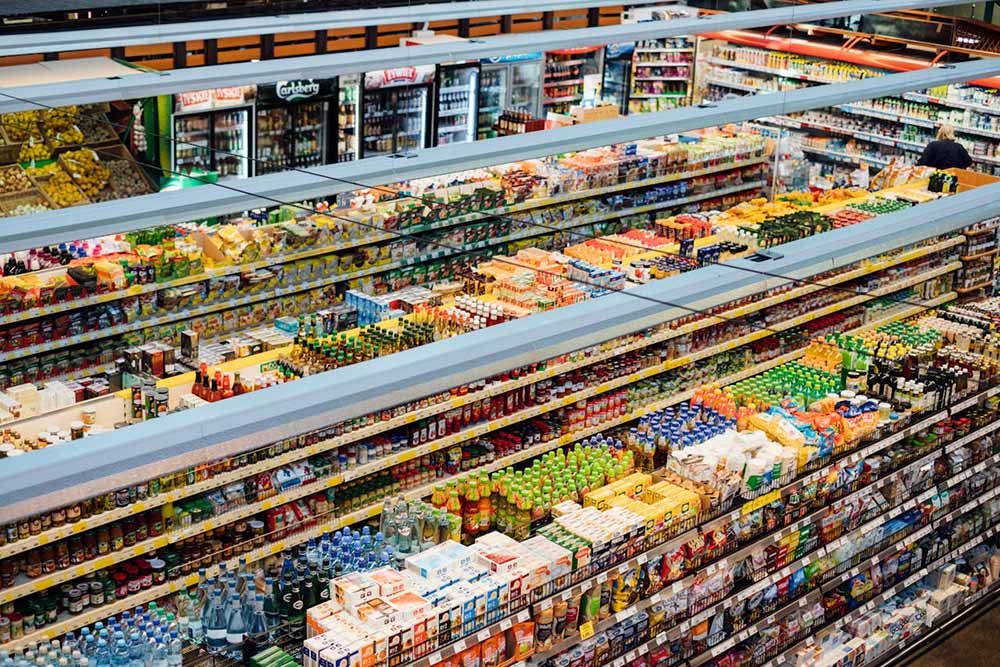
A trade marketing plan that looks sharp in a presentation can come to life in store with aligned execution: products placed where shoppers expect to find them, consistent pricing, displays going up on time, and fast-moving items remain available on shelf. On paper, the campaign is active and on the floor, it has a real chance to gain traction. That is why the role of merchandising data in trade marketing success matters so much.
The retail industry continues shifting from mass-market execution toward more data-driven, individualized retail experiences, making store-level accuracy even more important for brands trying to connect planning with performance. Merchandising data can give trade marketers a clearer view of what is really happening across retail stores, not just what was planned at head office. At MCA, we see that visibility as the link between strategy and execution, helping clients make better decisions, protect marketing budgets, and improve results where shoppers actually buy.
What Merchandising Data Reveals In The Retail Environment
Beyond internal data and sales reports
Most trade marketing teams already have internal data, market data, and sales data, which is useful, but it doesn’t tell the whole story. It may show what shipped, what sold, or how a region performed overall, yet still miss what happened in store at shelf level.
Merchandising data fills that gap. It shows if product placement is correct, promotional displays are live, shelf space is being used as intended, pricing strategies are executed properly, and inventory management is keeping pace with customer demand. It also gives brands a more accurate picture of merchandising effectiveness across regions, banners, and product category segments. A campaign can be well funded and well timed, but if execution breaks down, the result is lower product visibility, weaker customer engagement, and missed sales growth.
What that means for trade marketers
For a trade marketing team, merchandising data makes performance easier to diagnose. Instead of relying solely on broad sales trends, teams can connect store conditions to sales performance, conversion rates, and average transaction value. It becomes easier to see if a drop in results is related to customer behavior, poor in store execution, or a simple operational issue like pricing errors or missing stock. A data-driven approach gives store managers, brand leaders, and field teams a shared view of what is helping or hurting performance.
Why Better Analytics Leads To Better Trade Marketing Decisions
The value of retail merchandising analytics
The retail business can move too quickly for teams to work from hindsight alone. Consumer trends shift, customer preferences change, and customer expectations rise with every campaign. Trade marketers need retail analytics and merchandising analytics that help them respond while a program is still active, not weeks after. The combination of data makes it easier to refine merchandising strategies, improve category management, and align product offerings with customer needs at store level.
Why execution data matters
Execution data is often the missing piece. Online sales, customer data, and internal dashboards can show what is happening in the wider business, but it’s the field intelligence that shows why a particular product is underperforming in a specific retail environment. At MCA, we use proprietary platforms like IRIS and SmartScan to capture those conditions quickly and accurately. Combined with our data analytics services, that gives clients valuable insights they can act on while the campaign still matters.
Turning Merchandising Data Into Action At Store Level
From information to performance
The real value of retail merchandising analytics solutions appears when insights lead to a pricing correction, a display fix, better product placement, or a change in store-level priorities. A detailed retail sales audit can uncover pricing inconsistencies, execution gaps, and missed promotional activity that distort the picture of performance. And the right retail service provider does more than collect observations, they help turn store-level facts into better marketing strategies, more reliable in store execution, and sharper decisions across the supply chain and sales organization.
Turn Data Into Trade Marketing Success With MCA
Trade marketing performs better when brands can see shelf conditions clearly and respond with confidence. MCA helps clients do that by combining accurate field data, disciplined execution, and actionable reporting across North America. Our teams verify what is happening in store, identify gaps that affect merchandising effectiveness, and provide the kind of real-time visibility that supports stronger decisions in a dynamic market. Contact us today to find out how we can turn your stores into vibrant, customer-centric environments.