
The Future of Floating Pop-Up Stores: Retail on the Move
June 26th, 2026
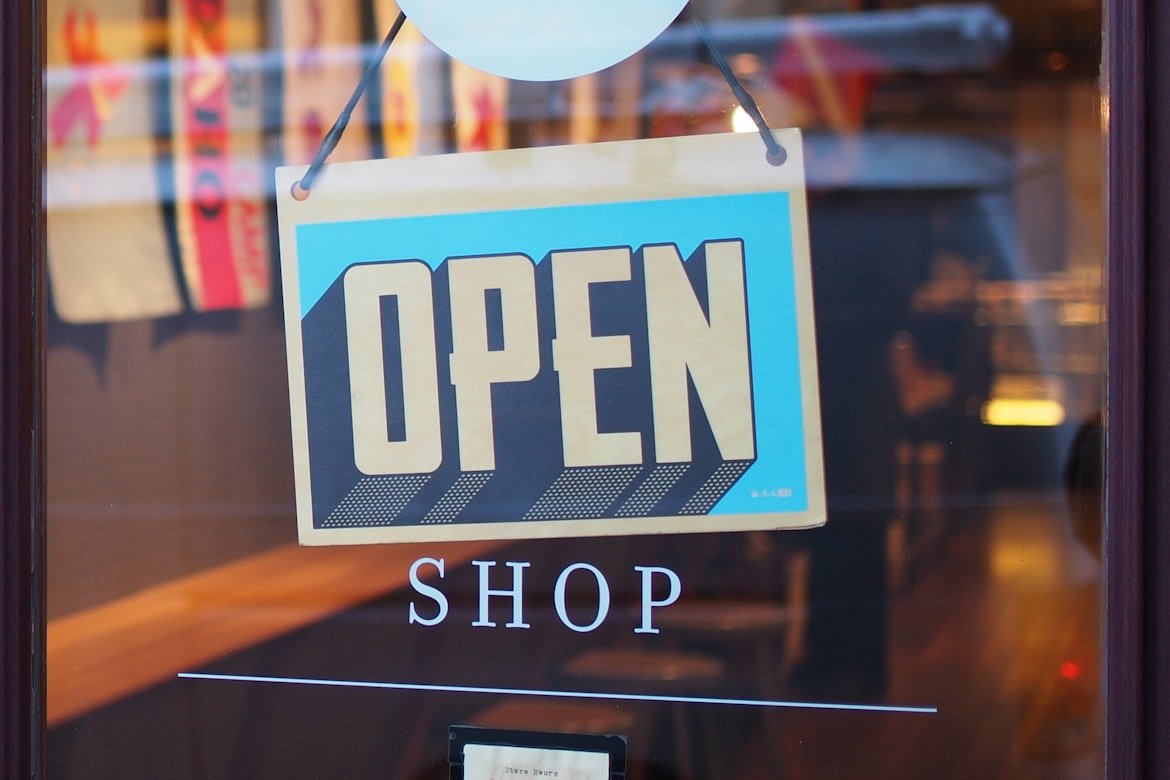
Floating pop up shops are commonly used by retail stores as a practical way to test ideas that explore markets and reconnect with customers in places that simply never see a physical store. According to recent surveys, it’s a successful strategy with 80% of global retail companies with brick-and-mortar stores that have opened a pop-up store said it was successful and 58% being likely to try this method again.
A mobile storefront carries a practical advantage. It lets a team place a controlled retail environment exactly where the customer demand appears.
Pop-ups tap into something today’s shoppers rarely get through online shopping: surprise. Now that mobile devices streamline the customer journey and brick-and-mortar locations work hard to differentiate, a floating storefront feels refreshingly unscripted. It reignites curiosity about what’s new, what’s limited, and what might be gone tomorrow; it’s that intrigue drives traffic in ways online sales can’t fully replicate.
A well-executed pop-up becomes a moment of discovery, an in-store experience that stands out precisely because it’s not predictable. And when brands pair that curiosity with top-tier retail merchandising execution, every square foot becomes a testable, high-impact touchpoint.
Why Floating Pop-Up Stores?
Market Entry Without the Anchor of a Long Lease
Through floating stores, retailers can move into untouched retail space, observe how customers respond, then adjust without locking themselves into long commitments. It lets teams test pricing or introduce early runs of a new line before scaling it. These setups are simple to deploy and just as easy to relocate, so a brand can walk away without sunk costs if the response isn’t there. They also give merchandisers a clearer read on real-world behaviour than surveys or desk research ever deliver.
Doubling down on this flexibility allows retailers to experiment in real time. They can shift layouts, assortments, and even promotional messaging based on how shoppers engage with the space. Because the footprint is smaller and operational demands are lighter, brands can afford to make rapid adjustments that would be impractical in a traditional store with large square footage.
Floating pop-ups also remove many of the financial barriers that typically slow geographic expansion, offering a low-risk pathway to reaching new communities or demographics. For emerging brands especially, this is a rare chance to evaluate true market appetite before making the kind of capital commitments associated with permanent brick-and-mortar locations.
In many ways, these pop-ups function like live retail laboratories, capturing subtle behavioural cues that guide smarter long-term investment.
A Setting That Supports Stronger Storytelling
When a temporary store appears, customers arrive curious, which makes it easier to focus attention on a seasonal line or a simple brand message. A smaller physical retail store footprint forces teams to curate their stock with intention, so each product has a clearer role. The space feels temporary enough that shoppers pay closer attention to what’s in front of them. That immediacy gives brands room to shape a focused narrative without the distractions of a full-scale store.
Instead of competing with fixtures, aisles, and expectations built over years of visiting the same retailer, shoppers step into a clean slate. This gives brands room to highlight a campaign theme or a new product hero. It also encourages experiential elements: guided demos, hands-on sampling, or digital integrations that connect the in-store experience back to online channels. Brands can choreograph the customer journey more deliberately than they can in a typical store footprint. For marketers and merchandisers alike, it’s a chance to create a narrative that feels fresh and memorable.
A Functional Link Between Online and Physical Reach
A floating store can operate as a mobile extension of a retailer’s broader network. By carrying limited inventory into different locations, it helps communities that sit far from any permanent storefront. As the vessel moves across regions, it introduces these conveniences to people who rarely have access to them. Each stop adds to a growing pool of information that supports future planning.
At a time when online sales continue to rise, pop-up stores help close the gap between digital reach and real-world access. They give shoppers who typically rely on mobile devices a chance to interact with products physically, enriching the customer journey and improving conversion both on-site and online.
Many retailers now use floating pop-ups as click-and-collect hubs. The data captured at each stop, from dwell time to product trial to questions asked, feeds back into planning systems and supports smarter omnichannel alignment. Ultimately, these temporary locations act as connective tissue: they extend brand presence and strengthen customer relationships.
Learn From Our Retail Experts
Floating pop-up stores succeed when the idea is backed by discipline. At MCA Merchandising, we handle the operational side with our retail merchandising services, so the concept holds its shape from one stop to the next.
Even in a temporary environment, every fixture, price point, and display element must work together to create a cohesive point-of-purchase (POP) in retail merchandising. Pop-ups may be mobile, but the fundamentals of effective POP in retail merchandising still apply: clear messaging, intentional product flow, and consistent execution from the moment a shopper steps inside.
If you’re planning a mobile retail run or testing a new region, we can support the work from the ground up. Reach out to learn more about how we can help you reach your goals.